Expert soil testing in Thames — percolation tests, CPT, hand auger investigations, and geotechnical reports for TCDC building consent and TP58 wastewater design. We understand the Hauraki Plains alluvial soils, the shallow groundwater table, and the hillside volcanic terrain east of town that govern ground investigation in Thames.
Soil testing in Thames must address two very different geological settings. On the Hauraki Plains, the fine-grained alluvial silts and clays have low bearing capacity, are compressible, and have a shallow seasonal water table — conditions that require careful geotechnical investigation to characterise the soil profile, measure groundwater depth, and quantify the bearing capacity and settlement potential of the ground. For wastewater design on the Plains, percolation test results are typically poor, confirming the need for secondary-treated effluent and alternative disposal systems rather than standard soakage fields.
On the hillside east of Thames, the volcanic soils are deeper, better draining, and have higher bearing capacity — but the steeper terrain introduces slope stability considerations that must be assessed as part of any hillside site investigation. Percolation testing on hillside sites is more straightforward and typically yields results suitable for conventional soakage systems, but the investigation must also assess whether the site can support the required disposal area given the constraints of the slope.
Our investigations for Thames properties combine the appropriate test methods for each setting — CPT for soft Plains soils where continuous strength profiling is needed, hand auger and percolation testing for wastewater assessments, and targeted investigation programmes that answer the specific design questions for your site without unnecessary cost. Reports are prepared to TCDC's requirements so they move through the consent process without delay.
Complete ground investigation services for Thames building consent and wastewater design
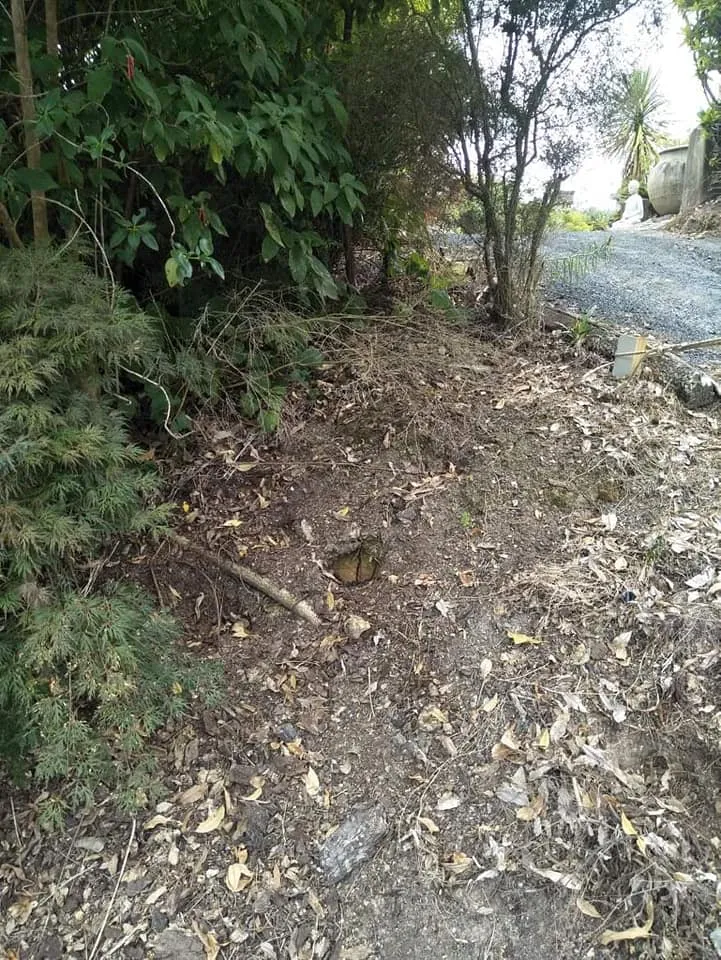
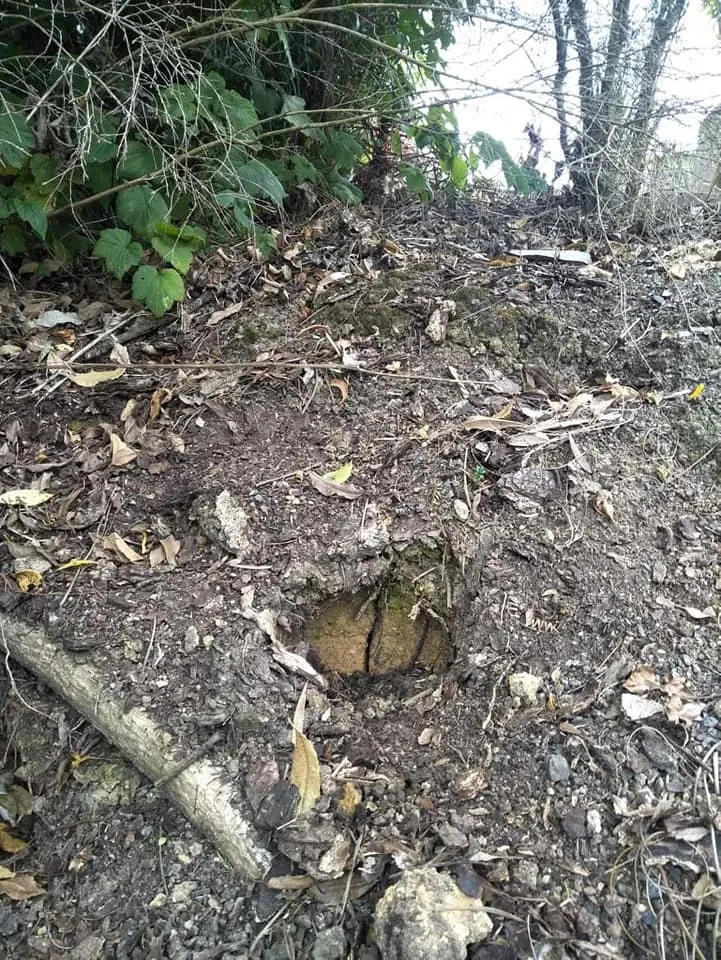
Percolation testing for TP58 wastewater design in Thames. On the Hauraki Plains, percolation test results in the fine-grained alluvial soils typically confirm that the soakage rates are too slow for conventional disposal fields, and that secondary treatment with alternative disposal — dripline irrigation or mound systems — is required. On hillside sites east of Thames, percolation results are better and conventional disposal may be feasible. We conduct tests to the TCDC-accepted protocol and include groundwater depth measurement so the wastewater designer has the full picture.
Hand auger soil investigations for Thames building consent geotechnical reports and wastewater site assessments. On Plains sites, hand auger borings confirm the depth and character of the alluvial soil layers, identify any buried fill or variable strata, and allow groundwater depth to be measured directly. For hillside sites, auger borings confirm soil depth, identify the depth to weathered or intact volcanic rock, and provide the soil profile information needed for percolation test siting and wastewater disposal design.
Cone penetration testing (CPT) for Thames Plains building consent investigations. On the Hauraki Plains, CPT is the most efficient method to characterise the variable alluvial soil profile — it provides continuous strength data through the full depth of the soft soils, identifies weak layers that control foundation performance, and quantifies the bearing capacity and settlement potential of the ground. CPT data from Plains sites is essential for specific engineering design foundations, raft slab design, and settlement analysis.
Geotechnical investigation reports for Thames TCDC building consent applications. We compile field investigation results — auger logs, CPT data, groundwater measurements, and percolation test results — into a single geotechnical report covering TCDC's requirements for site classification, foundation recommendations, and wastewater soil assessment. For Thames Plains sites where foundation design is critical, our reports include the detailed soft soil analysis needed to support specific engineering design foundation recommendations.
We understand the variable alluvial soil profile of the Hauraki Plains — the typical layer sequences, the groundwater conditions that vary seasonally, and the bearing capacity limitations that make foundation design on the Plains a specific engineering challenge. This knowledge shapes how we scope investigations and interpret results for Thames Plains properties.
We know what TCDC's building consent team requires in a Thames geotechnical report — the site classification method appropriate for alluvial soils, the foundation recommendation format for specific engineering design sites, and the percolation test protocol. Reports prepared to TCDC's requirements move through consent without unnecessary queries or requests for additional information.
We use the soil test results to design your foundations, wastewater system, subsoil drainage, and stormwater disposal. The investigation scope is driven by the design questions, and the results are interpreted by engineers who understand their implications — not handed over as raw data for someone else to interpret.
Thames properties on the Plains and the hillside require different investigation approaches — CPT and soft soil analysis for the Plains, auger and percolation testing for hillside sites. We scope the investigation to the site, not to a generic template, and bring the right equipment and expertise for the specific ground conditions at your property.
Based on the Coromandel Peninsula, we're ready to help with soil testing and ground investigation for your Thames project. Get in touch for expert advice and a fast quote.
Coromandel Peninsula
Servicing Thames & Coromandel