Expert soil testing in Whangamata — percolation tests, CPT, hand auger investigations, and geotechnical reports for TCDC building consent and TP58 wastewater design. We understand Whangamata's coastal dune sands, seasonal groundwater, and what the test results mean for your building or wastewater project.
Soil testing in Whangamata is primarily concerned with two things: confirming the depth to groundwater, and measuring the permeability of the dune sands. These two values drive both the TP58 wastewater design and the foundation design for any new building on the site. The Holocene dune sands that underlie most of Whangamata are generally uniform in character — loose to medium dense, well-graded fine to medium sand — but groundwater depth varies across the township and seasonally at any given location. A soil investigation that records groundwater depth at the right time of year is essential for accurate wastewater and foundation design.
For TP58 wastewater design, percolation testing in the dune sands is straightforward but must be conducted correctly to give reliable results — pre-soaking the test hole, allowing stabilisation, and recording the correct values for use in the TCDC-accepted design method. We conduct percolation tests to the current TCDC-accepted protocol so the results can be used directly in the wastewater design without challenge from the building consent team.
For building consent geotechnical investigations, we use a combination of hand auger and cone penetration testing (CPT) to characterise the sand profile and groundwater conditions, producing a geotechnical report that satisfies TCDC's requirements for NZS 3604 site classification and specific engineering design foundations where needed. Because our office is based in Whangamata, we can mobilise quickly and complete investigations efficiently.
Complete ground investigation services for Whangamata building consent and wastewater design
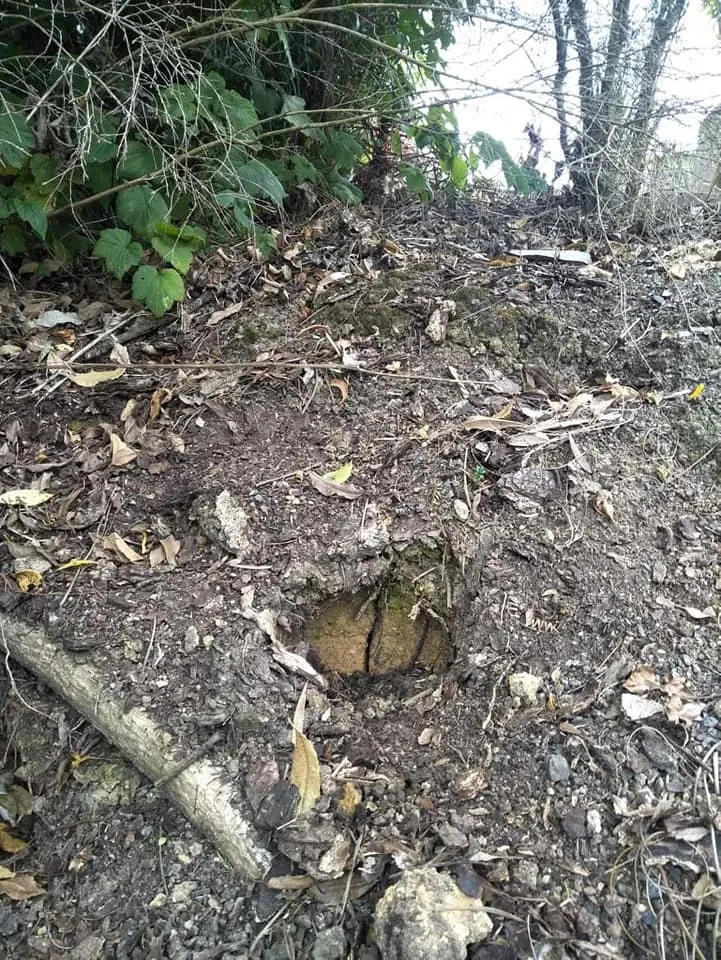
Percolation testing for TP58 wastewater design in Whangamata. We conduct percolation tests to the TCDC-accepted protocol — correct pre-soaking, stabilisation period, and measurement method — producing results that are directly usable in the wastewater system design. We also record groundwater depth during the investigation so the wastewater designer has the complete picture of soil and groundwater conditions at your site.
Hand auger soil investigations for Whangamata building consent geotechnical reports. In Whangamata's accessible dune sand sections, hand auger borings provide a cost-effective method to confirm the sand profile, identify any fill or variable soil conditions, and measure groundwater depth. We combine hand auger data with site observation and our knowledge of the local geology to produce a reliable geotechnical assessment for TCDC's building consent requirements.
Cone penetration testing (CPT) for Whangamata building consent investigations and NZS 3604 site classification. CPT provides continuous soil strength data through the dune sand profile and is particularly valuable where the sand density varies with depth or where specific engineering design foundations are needed. We interpret CPT data in the context of Whangamata's local geology to produce geotechnical recommendations that TCDC's building consent team can rely on.
Geotechnical investigation reports for Whangamata TCDC building consent applications. We compile the field investigation results — auger logs, CPT data, groundwater measurements, and percolation test results — into a single geotechnical report that addresses TCDC's requirements for site classification, foundation recommendations, and wastewater soil assessment. A combined report covering all ground-related consent requirements reduces your documentation burden and avoids multiple site visits.
We know Whangamata's dune sand profile from many investigations across the township — including where fill has been placed, where groundwater is consistently shallower, and how percolation test results typically vary across different parts of the settlement. This local knowledge means we can scope your investigation efficiently and interpret results in context.
We know what TCDC's building consent team requires in a Whangamata geotechnical report — the right site classification method, the right foundation recommendations format, and the right percolation test protocol. Reports prepared to TCDC's requirements move through consent without unnecessary queries.
We don't just hand over test results — we use them to design your foundations, wastewater system, and stormwater disposal. The soil testing and the design work are done by the same team, which means the investigation scope is driven by the design questions rather than by a generic protocol, and the results are interpreted by engineers who understand their implications.
Our Coromandel Peninsula office is in Whangamata. We can mobilise to your site quickly, complete percolation tests and auger investigations efficiently, and turn around reports fast — without the travel time and cost of engineers coming from elsewhere on the Peninsula or from Auckland.
Based in Whangamata on the Coromandel Peninsula, we're ready to help with soil testing and ground investigation for your project. Get in touch for expert advice and a fast quote.
Whangamata
Coromandel Peninsula office