Specialist geotechnical engineering for Hahei and Mercury Bay from Gumboots Consulting Engineers. Expert site assessments for coastal limestone and volcanic terrain. TP58 wastewater and TCDC consent support from our Whangamata office.
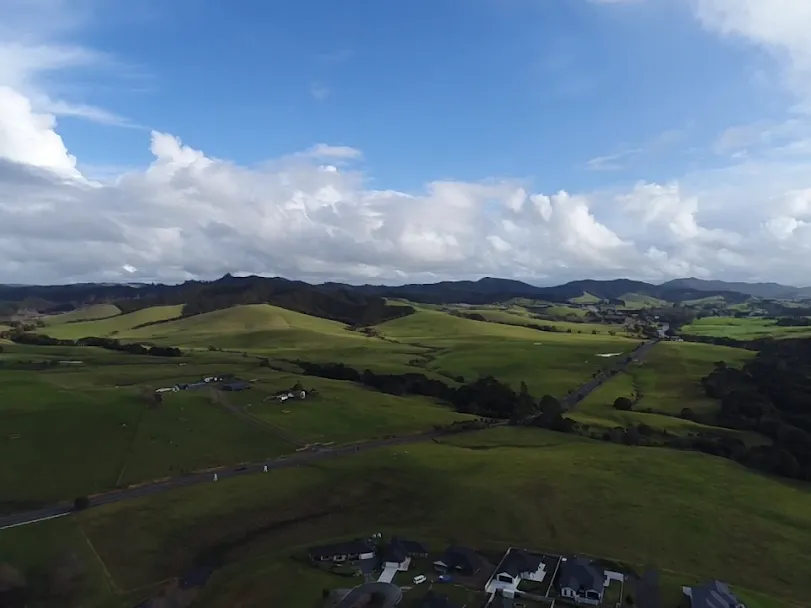
Hahei and the wider Mercury Bay area sit on the central Coromandel coast, known for Cathedral Cove, Hot Water Beach, and a spectacular combination of limestone bluffs, volcanic headlands, and sandy beaches. For geotechnical engineering, this means a terrain with real variety — coastal dune sands, weathered limestone, volcanic andesite and rhyolite, and colluvial slope material — all within a relatively compact area.
Hahei itself is a small holiday and permanent residential community where building activity centres on lifestyle blocks, beachside dwellings, and subdivision. TCDC building consent requirements apply, and many sites in the area trigger natural hazard assessments given the proximity to coastal and hillside terrain. Waikato Regional Council (WRC) resource consents apply to works near the coastal marine area.
Our Whangamata office services all of Mercury Bay including Hahei, Cooks Beach, Whitianga, and Matarangi. We understand the local geology and the regulatory pathway through TCDC and WRC consenting.
The cliffs and headlands around Cathedral Cove and Hahei are formed from Miocene-age limestone that overlies older volcanic basement rock. Weathered limestone produces a variable ground profile — competent rock at modest depth in some areas, but with solution cavities, slot features, and irregular rock surfaces in others. Foundation investigations in limestone terrain must assess rock quality, depth, and whether dissolution features are present that could affect building stability.
Hahei Beach and the surrounding coastal flats sit on Holocene sand deposits — coastal dune and beach sands similar to other Coromandel seaside communities. Foundation design on these sands requires attention to bearing capacity in the loose upper horizon and to shallow groundwater, which can be within 1–2 m of the surface in coastal flat positions.
Irregular limestone dissolution features and unpredictable rock depth make foundation design in limestone terrain more complex than volcanic rock sites. Investigation must confirm rock quality and continuity beneath the building footprint.
TCDC coastal hazard rules require setback assessments for sites near the Mercury Bay shoreline. Geotechnical input on cliff stability and erosion potential is part of the consent package for coastal sites around Hahei.
Groundwater tables in coastal sand areas near Hahei Beach can be shallow and variable. This affects foundation depth, stormwater disposal design, and the sizing and placement of TP58 wastewater systems.
Site assessments, soil testing, and TCDC consent reports for Hahei and the Mercury Bay area
Site suitability reports for Hahei and Mercury Bay properties covering coastal and limestone terrain, natural hazards, and TCDC building consent requirements.
Subsurface investigations for Hahei residential and lifestyle block development, including test pits, DCP testing, and rock investigation for limestone and volcanic terrain.
Field and laboratory soil testing for foundation design and TP58 wastewater system sizing in the Hahei and Mercury Bay area.
Foundation engineering for Hahei's varied ground conditions — coastal sand foundations for beachside homes and rock-bearing foundations for limestone and volcanic terrain.
Gumboots Consulting Engineers serves Hahei and Mercury Bay from our Whangamata office. Contact us for expert geotechnical assessments and council-ready reports.