Specialist geotechnical engineering for Coromandel Town and the northern Coromandel Peninsula. Expert site assessments for steep volcanic terrain, historic mine workings, and narrow coastal terrace development. TCDC consent support from our Whangamata office.
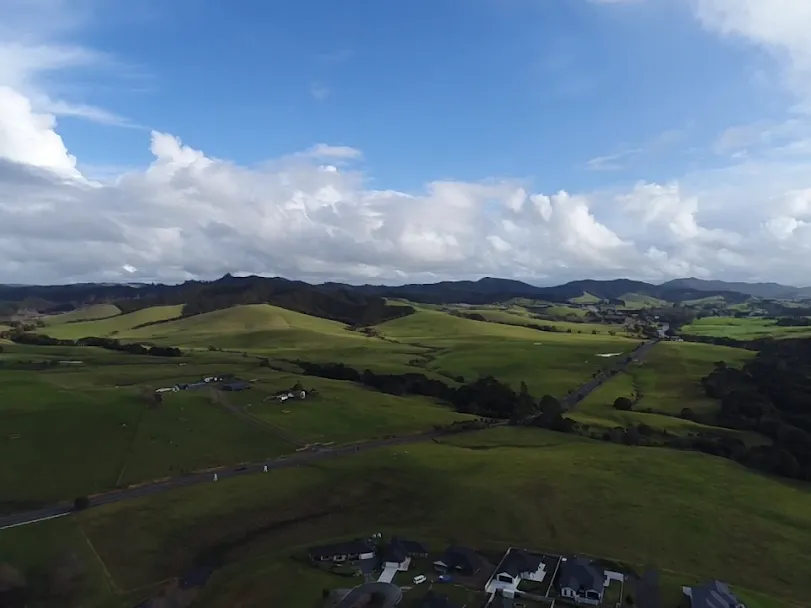
Coromandel Town sits on the western side of the northern Coromandel Peninsula, where the Coromandel Ranges drop steeply to a narrow coastal terrace facing the Firth of Thames. The terrain is dramatic — rugged volcanic ridges, deeply incised valleys, and a limited flat coastal strip where most of the town is built. This concentrated topography creates geotechnical challenges that are among the most technically demanding on the Coromandel Peninsula.
Coromandel Town also carries an extensive gold and silver mining history. The Coromandel Goldfields were among the earliest in New Zealand, and the hills immediately behind the town contain historical mine shafts, adits, tunnels, and processing areas from active mining that spanned the 1860s through to the mid-20th century. Many workings are documented; others are not. Mine shaft and subsidence risk assessment is an essential part of geotechnical investigation for properties in and around Coromandel Town's hill margins.
Our Whangamata office provides full geotechnical engineering services across the northern Coromandel Peninsula, including Coromandel Town, Manaia, Colville, and the Whitianga area. We understand the specific TCDC consent requirements and engineering challenges for this remote and terrain-constrained part of the peninsula.
The Coromandel Ranges are composed of andesite, rhyolite, and dacite volcanic rocks from multiple eruption episodes across the Coromandel Volcanic Zone. These rocks weather to residual volcanic clays and colluvial slope deposits at varying depths. Steep slopes, which are common in this terrain, present landslide risk — particularly on the outer faces of volcanic ridges where weathered material overlies steeper competent rock. Slope stability assessment is a standard component of geotechnical investigation for hillside and hill-margin properties around Coromandel Town.
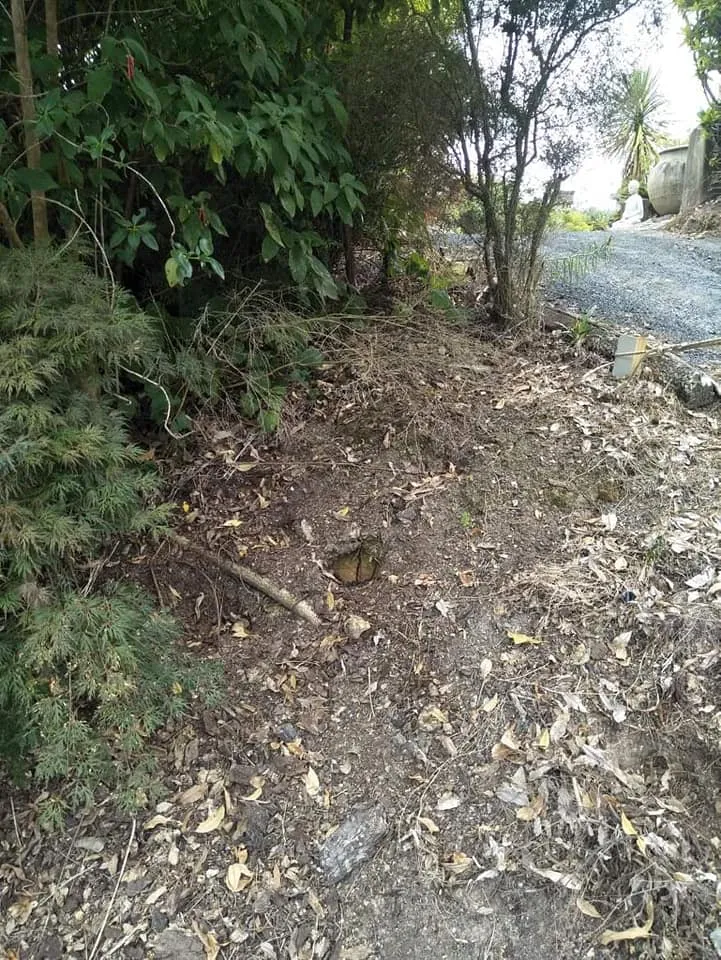
The Coromandel Goldfields left behind a complex network of shafts, adits, tunnels, and open cuts across the hills immediately behind and around Coromandel Town. Surface expressions of these workings — shaft openings, collapsed ground, subsidence hollows, and waste rock dumps — are visible in many areas. The subsurface extent of the workings is far greater than the visible surface features, and desktop review of mining records is a required first step before physical investigation in any mine-affected area. TCDC is aware of mine hazards in the district and may request specific mine risk assessment as part of a building consent application for affected properties.
Coromandel Town is built on a narrow coastal terrace of mixed alluvial and colluvial material between the sea and the steep hill front. This terrace material varies in character — compacted gravel and sand in better-drained areas, transitioning to softer silty material in lower positions near the waterfront. Terrace sites generally have adequate bearing capacity but may encounter groundwater and soft layers at depth, and proximity to the coastal margin adds coastal hazard setback considerations.
Historic gold mine workings behind Coromandel Town present ground collapse risk. Desktop mining record review and targeted investigation must precede earthworks or building in hill-margin areas with mining history.
The rugged volcanic terrain creates landslide risk on steeper slopes. Slope stability assessment is required for building or earthworks on Coromandel Town's hillside properties, particularly after rainfall events.
Many Coromandel Town lifestyle blocks are beyond the reticulated sewer network and require on-site TP58 wastewater systems. Steep terrain and volcanic soils create specific challenges for effluent disposal design and TCDC approval.

Site assessments, mine risk evaluation, and foundation design for Coromandel Town and the northern peninsula
Comprehensive site suitability reports for Coromandel Town properties, including mine hazard desktop review, slope stability assessment, and TCDC building consent requirements.
Subsurface investigations for Coromandel Town residential and lifestyle block development, with specialist protocols for mine-affected terrain and steep volcanic hillsides.
Field and laboratory testing of Coromandel Town soils for foundation design and TP58 wastewater system design in volcanic and colluvial terrain.
Foundation engineering for Coromandel Town's varied terrain — coastal terrace foundations, hillside retaining and foundation design, and mine-hazard-aware structural advice.
For properties in or adjacent to the historic Coromandel Goldfields area, we begin with a thorough desktop review before any physical site investigation. This includes review of the NZ Mines Register, TCDC heritage records, GNS Science mine hazard mapping, historical survey plans, and aerial photography. This desktop work identifies documented shaft and adit locations and helps define a search area for the physical investigation. Where mine workings cannot be excluded from beneath a proposed building footprint, we recommend conservative setback distances from known workings, and in some cases geophysical methods (such as ground-penetrating radar or microgravity surveys) to help identify voided ground. Our reports address the mine hazard explicitly in the format TCDC expects to see.
Yes — steep hillside lifestyle blocks are a significant part of the work we do in the Coromandel Town area. A site assessment for a hillside property includes slope gradient and geometry mapping, identification of slope instability indicators (tension cracks, scarps, seepage zones), assessment of the volcanic soil and rock profile, and recommendations for a safe building platform location with appropriate setback from identified hazard features. For steeper slopes or those with geomorphic indicators of past movement, a full slope stability analysis using limit equilibrium methods may be required. We include the level of investigation that TCDC will accept in a building consent application, so you don't face RFIs requesting more work after submission.
Most rural and lifestyle block properties around Coromandel Town are beyond the reticulated sewage network and require on-site effluent management under TCDC's rules, which reference the TP58 On-Site Wastewater Systems design guideline. TP58 design requires soil permeability testing to size the disposal system correctly for site-specific soil conditions. On steep hillside sites, obtaining the required minimum disposal area at the correct setback from watercourses and boundaries can be a constraint, and early TP58 assessment is valuable in confirming a site is developable before significant investment in other design work. Our team can carry out both the geotechnical investigation and the TP58 wastewater design in a single site visit, producing coordinated reports for your TCDC consent application.
Gumboots Consulting Engineers serves Coromandel Town and the northern Coromandel Peninsula from our Whangamata office. Contact us for mine hazard assessments, slope stability reports, and council-ready geotechnical investigations.